
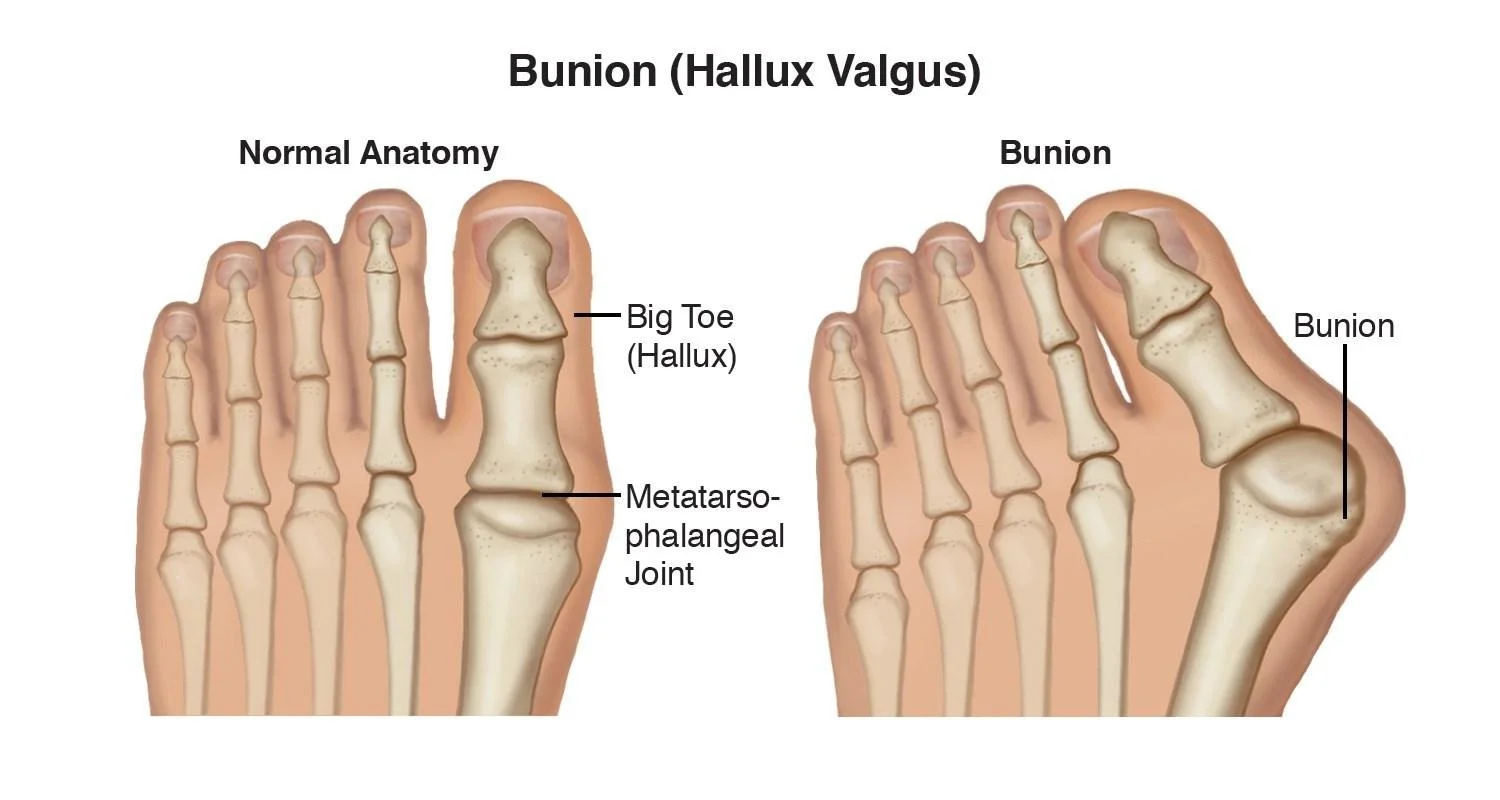
Bunion
A bunion is not just a bump that grows on the inside of the great toe, but also an angulation of the 1st metatarsal bone, and the proximal phalanx bone. This angle and misalignment creates the bump that you can see.
In Orthopedics we call a bunion “Hallux Valgus”. “Hallux” is Latin for toe, and “Valgus” describes the angle. Also the bump you can feel is specific part of the first metatarsal bone called the “medial eminence”.
People will start to notice bunions when they rub shoes, creating inflammation and pain over the medial eminence. Sometimes as the bunion worsens with time, it will rub the second toe. This can create a painful impingement callus or blister between the toes. Not only can a bunion result in impingement, but the bunion increases stresses on ligaments and bones the second toe. This may result in a hammertoe, cock up toe or crossover toe.
Common Bunion Questions
Bunions are caused by multiple reasons. That is why we we call it “multi factorial” . The main reasons are genetics and shoe wear. There are genetic traits that increase your odds of forming a bunion just as there are traits that affect your hair color, skin color etc. Also wearing tight shoes for years or shoes that have heels, increase the pressure on the ligaments of the big toe. This pressure can lead to “stretching” or laxity, when allow the toe turn and a bunion form.
What causes bunions?
1
Yes, a bunion can get worse over time, but the rate of progression varies significantly from person to person. Some bunions remain relatively stable for years, while others gradually become larger, more painful, and more difficult to fit into shoes.
Will my bunion get worse over time?
2
You may be able to reduce symptoms and manage pressure, although non-surgical treatments generally do not correct the underlying bone deformity or reliably prevent progression.
Wide toe-box shoes: Reduce pressure on the bunion.
Toe spacers or bunion pads: May improve comfort but won't permanently realign the bones.
Orthotics: Can help address certain foot mechanics and relieve symptoms.
Activity modification: Reduce activities that aggravate pain when needed.
Can I get my bunion to go away?
Can I stop it from getting worse?
3
When should you consider bunion surgery?
4
Surgery is worth discussing if your bunion causes persistent pain, limits walking or exercise, makes finding comfortable shoes difficult, or progresses toward overlapping toes. You don't necessarily need surgery just because you have a bunion.
Modern minimally invasive bunion surgery (MIS) uses small incisions and specialized instruments to realign the bones. For appropriately selected patients, it can offer smaller scars and a less invasive approach, although results and recovery depend on the deformity and procedure.
Bunions
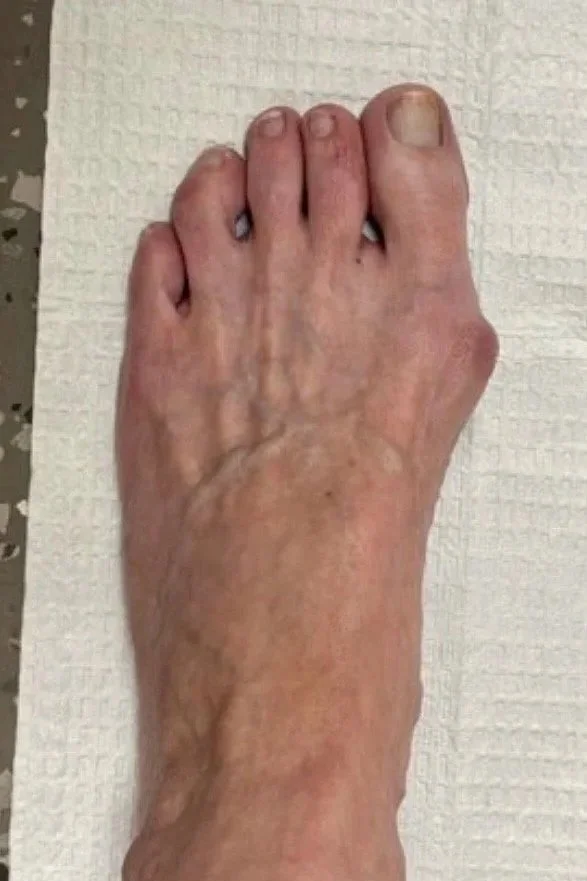
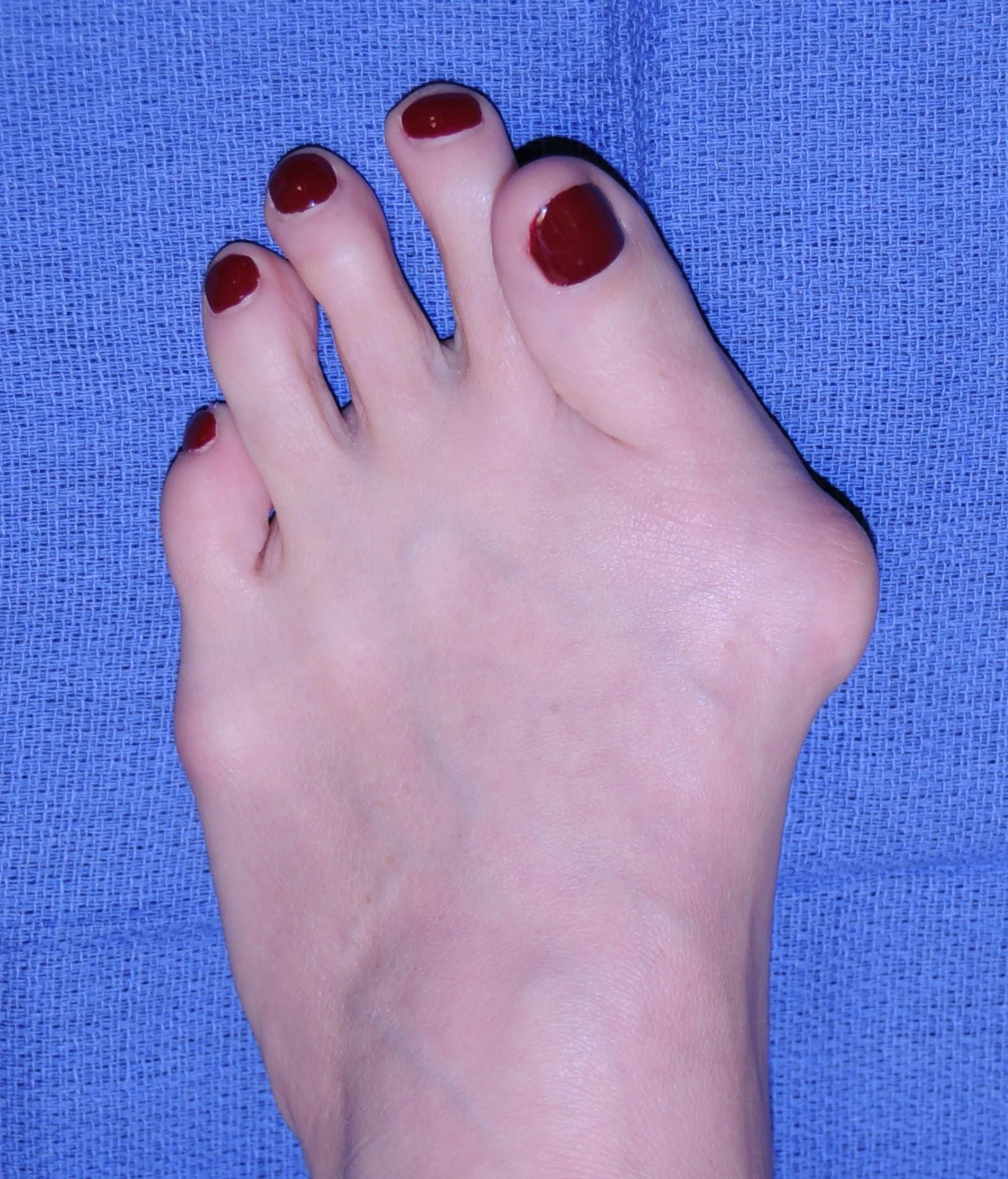
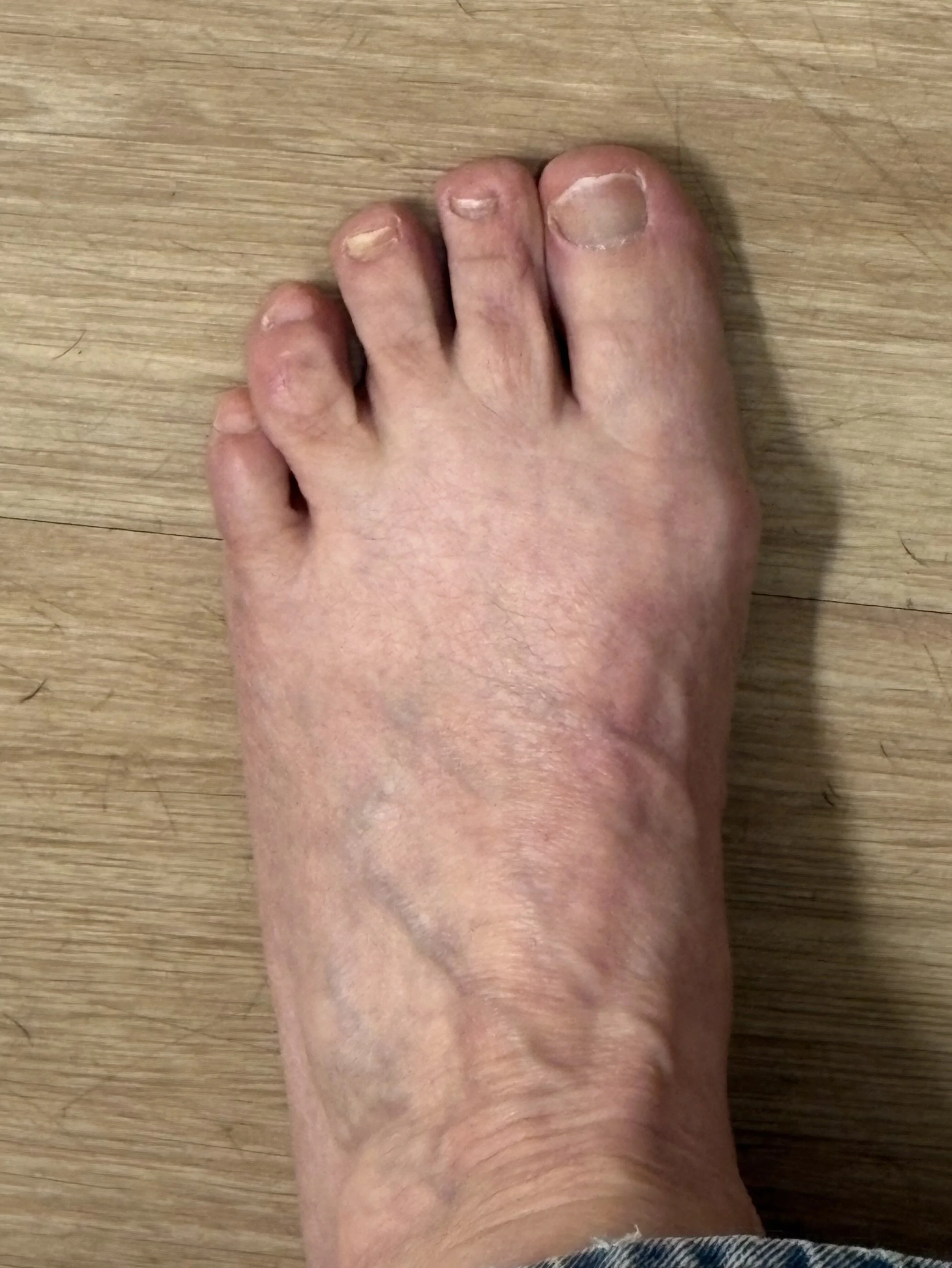
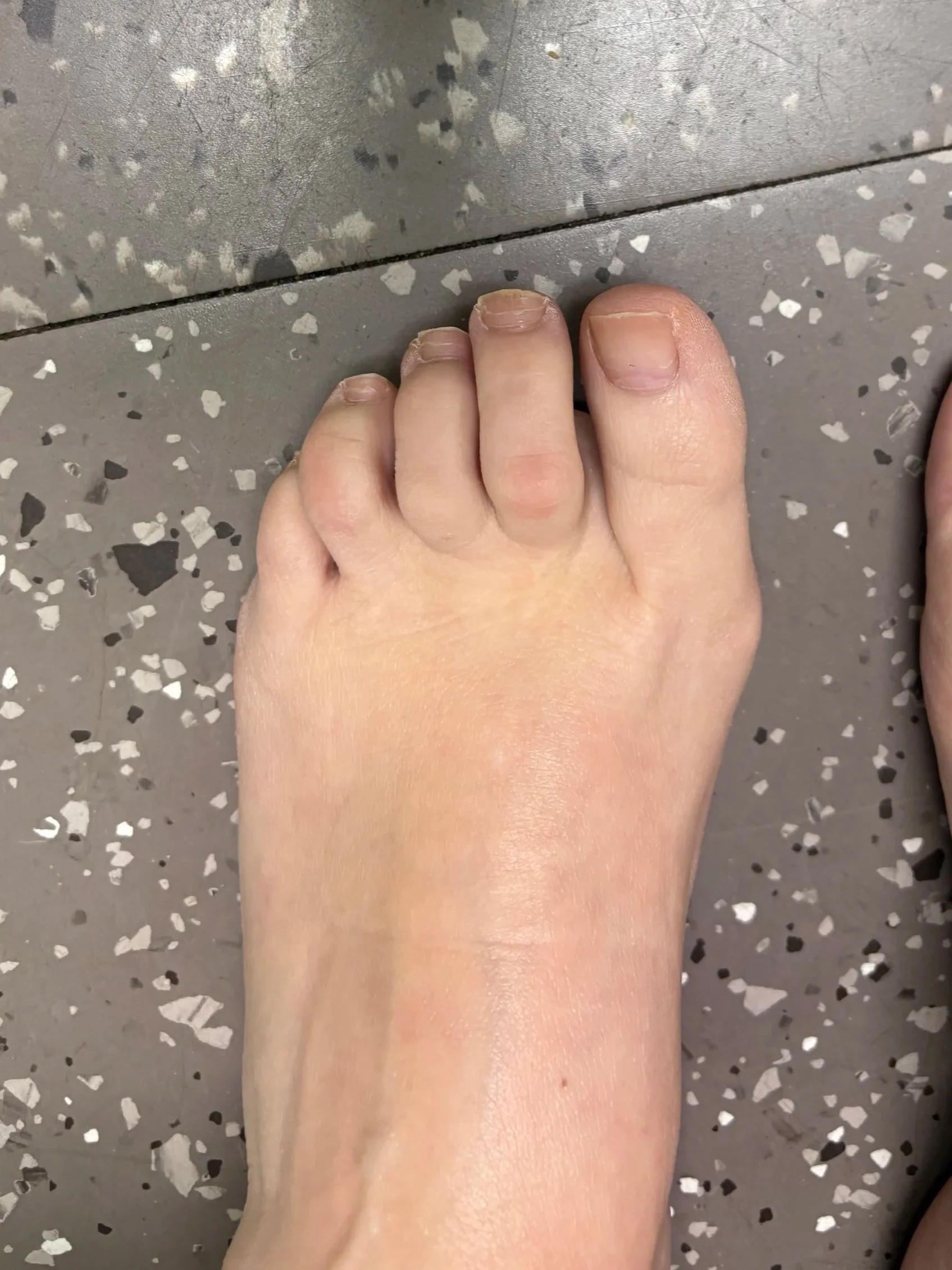
Bunion with Hammertoes
Severe Bunion
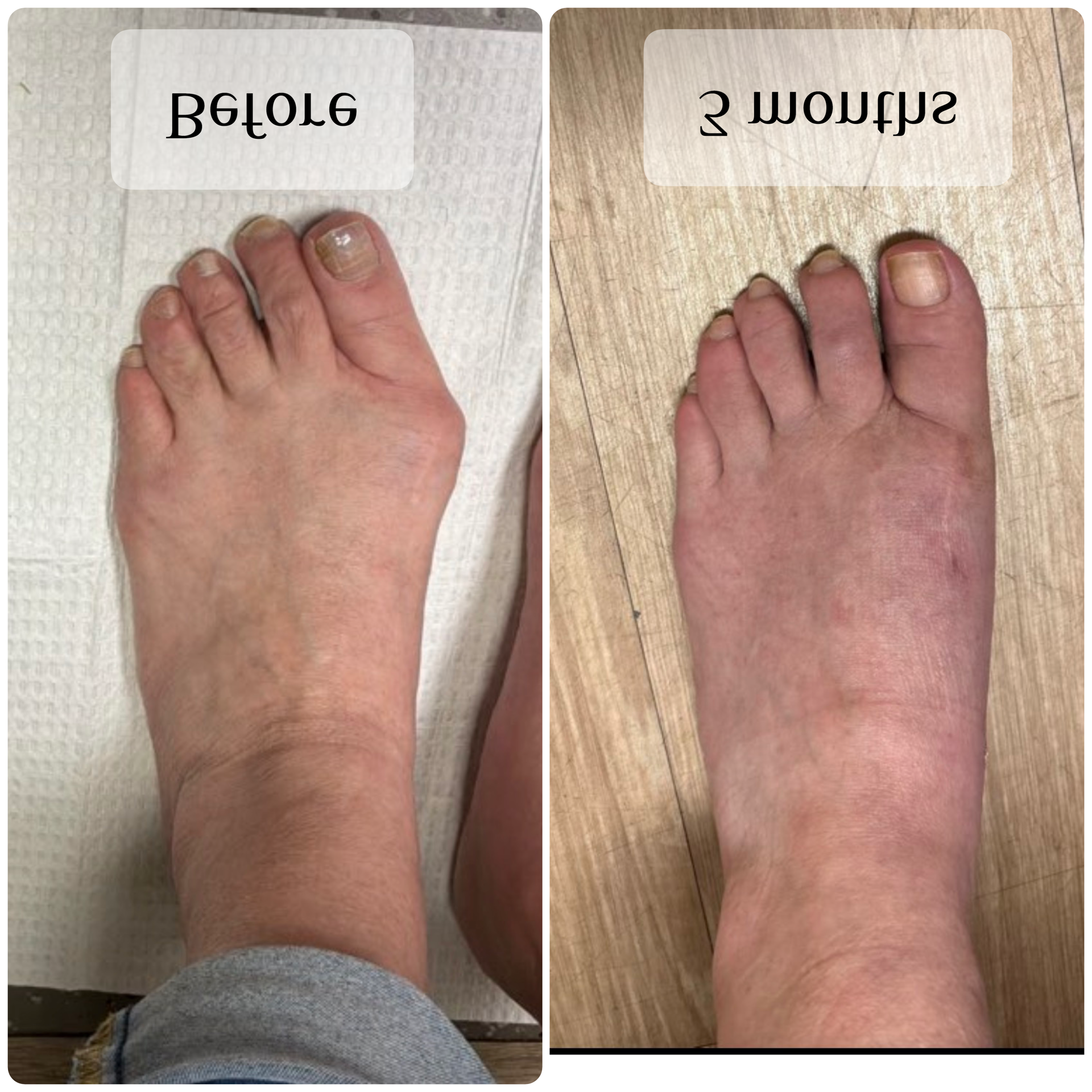
Bunion Before and After MIS bunionectomy
Moderate Bunion
Mild Bunion
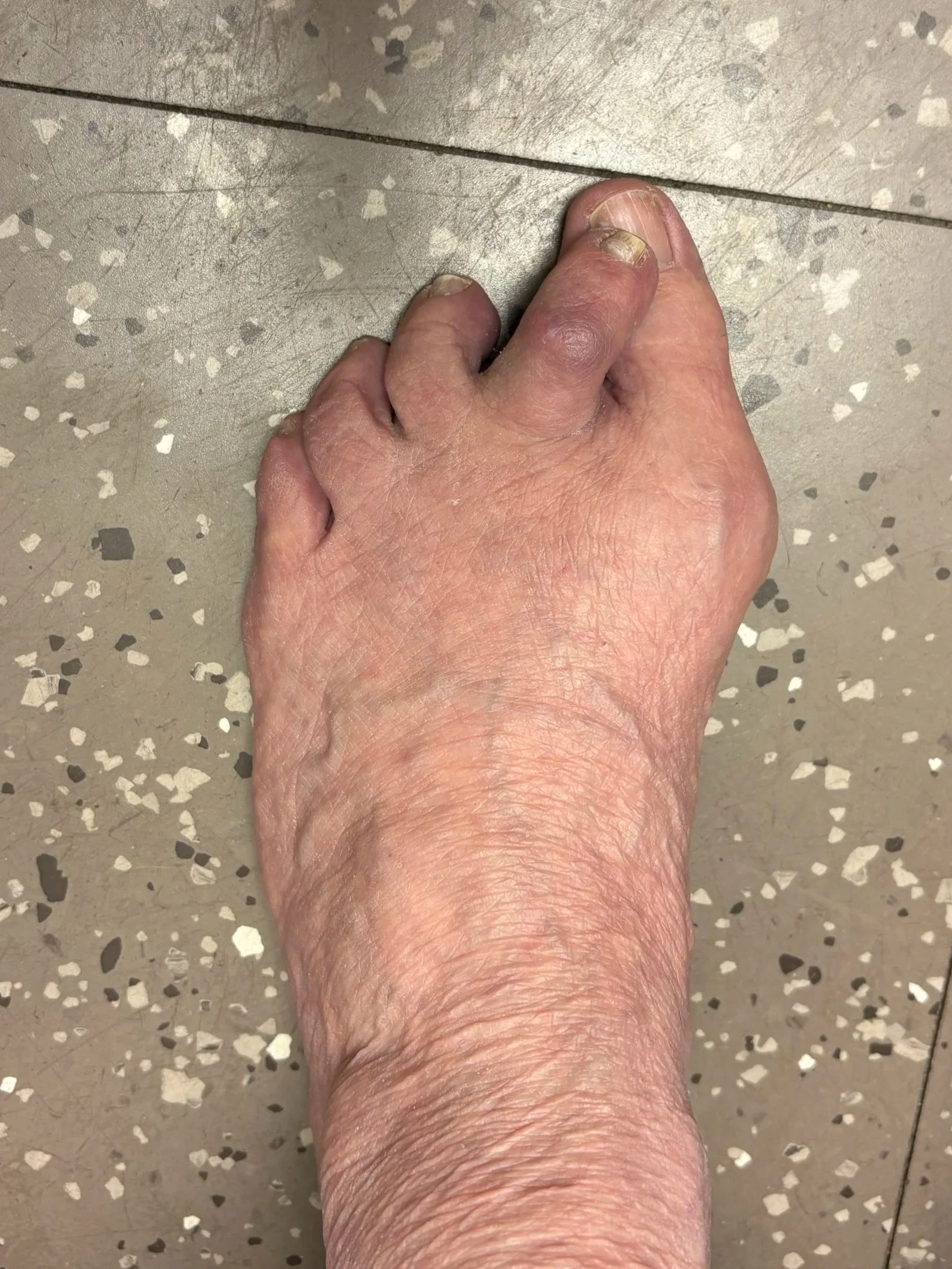
Bunion with 2nd Crossover Toe